Hidden Sugar in Staples: Rice and Bread Aren’t Sweet — So Why Does Blood Sugar Rise?
By John Yang Lee, MDPublished
Adapted from reports in The Epoch Times / NTD; source links at the end.
Most people pause the first time they hear “white rice is sugar too.” Rice doesn’t taste sweet — how could it have anything to do with sugar? As reported by NTD, John Yang Lee, MD cleared this up at a health lecture: starch is a chain of sugars. Rice, noodles, and bread don’t taste sweet, but once inside the body they produce a great deal of sugar.
That also explains a familiar puzzle: you’ve given up sweets, so why is blood sugar still high? The answer is often hiding in the bowl of rice and the two slices of bread you eat without a second thought.
“Not sweet” doesn’t mean “no sugar”
Sweetness is what the tongue tastes; whether something produces sugar is the body’s business. As reported, the doctor explained that the starch in staples is essentially a long string of glucose linked together — broken down slowly after you eat, and turned into blood sugar all the same. “This isn’t sweet, so it should be fine” is a trap many people fall into.
Starch is a chain of sugars. Rice, bread, and noodles aren’t sweet, but they produce a lot of sugar.
A number worth knowing
As reported by NTD, the doctor cited a striking reminder at the lecture: “Among people over 60, roughly one in four has diabetes.” The figure sounds alarming, but seen another way, it shows that diet is a real, adjustable lever.
How much of the plate should be carbs
As reported, the doctor referenced the U.S. dietary guideline benchmark: carbohydrates ideally shouldn’t exceed about 50% of daily calories. Yet many Chinese households eat a carb-heavy diet — the report puts a common split at roughly 70% carbs, 15% protein, 15% fat, tilted heavily toward staples.
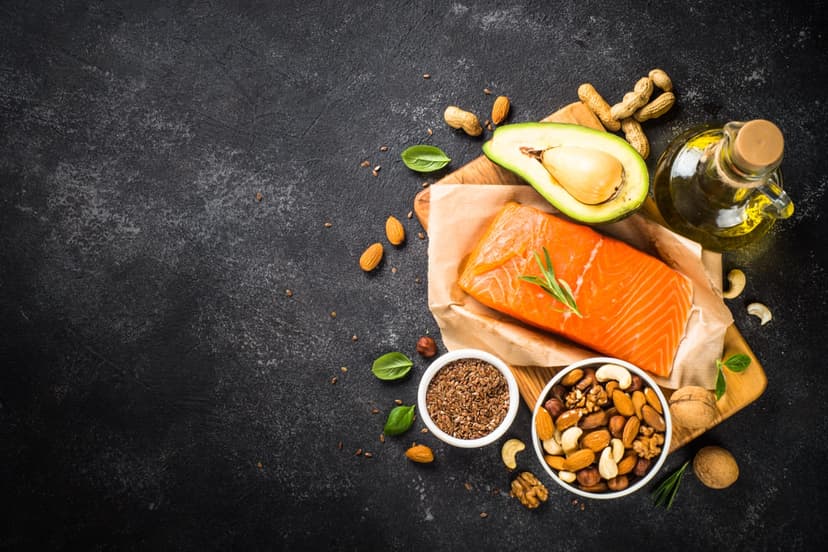
This doesn’t mean never touching a staple again — it means there’s room to bring that ratio down. Swapping part of the rice and noodles for protein and healthy fats, adding a few more vegetables for a more balanced plate, is a very practical step in eating for blood sugar.
You know about the hidden sugar — now what?
Understanding the hidden sugar in staples is only the first step. Putting it into practice still depends on each person’s blood sugar, health, and habits. These reminders, summarized from the reporting, are for general information only; how and how much to adjust is best decided after an in-person evaluation, based on your own situation.